Navient Settlement: Are You Due a $260 Restitution Check?
For years, student loan borrowers have navigated a complex and often confusing landscape of repayment options, interest rates, and loan servicers. Among these, Navient, one of the largest student loan servicers in the U.S., has been at the center of controversy regarding its practices. Now, a landmark nationwide settlement has brought a glimmer of hope for many, leading to questions like: "Are Navient borrowers receiving up to $2000 in settlement checks?" The answer is a resounding yes, potentially much more, depending on individual circumstances, with hundreds of thousands of federal loan borrowers in line for cash payments and tens of thousands of private loan borrowers qualifying for significant debt cancellation.
This article delves into the specifics of the Navient settlement, explaining who is affected, what restitution looks like, and what steps, if any, you need to take. If Navient serviced your student loans, understanding the details of this agreement could be crucial for your financial future.
Understanding the Landmark Navient Settlement
The nationwide Navient settlement, valued at approximately $1.85 billion, resolves allegations that the student loan giant engaged in widespread deceptive and abusive practices. Filed by attorneys general from 39 states, including Massachusetts Attorney General Maura Healey, the agreement aims to provide relief to borrowers who were allegedly misled into repayment plans that ultimately increased their debt burdens.
Who is Navient and What Were the Allegations?
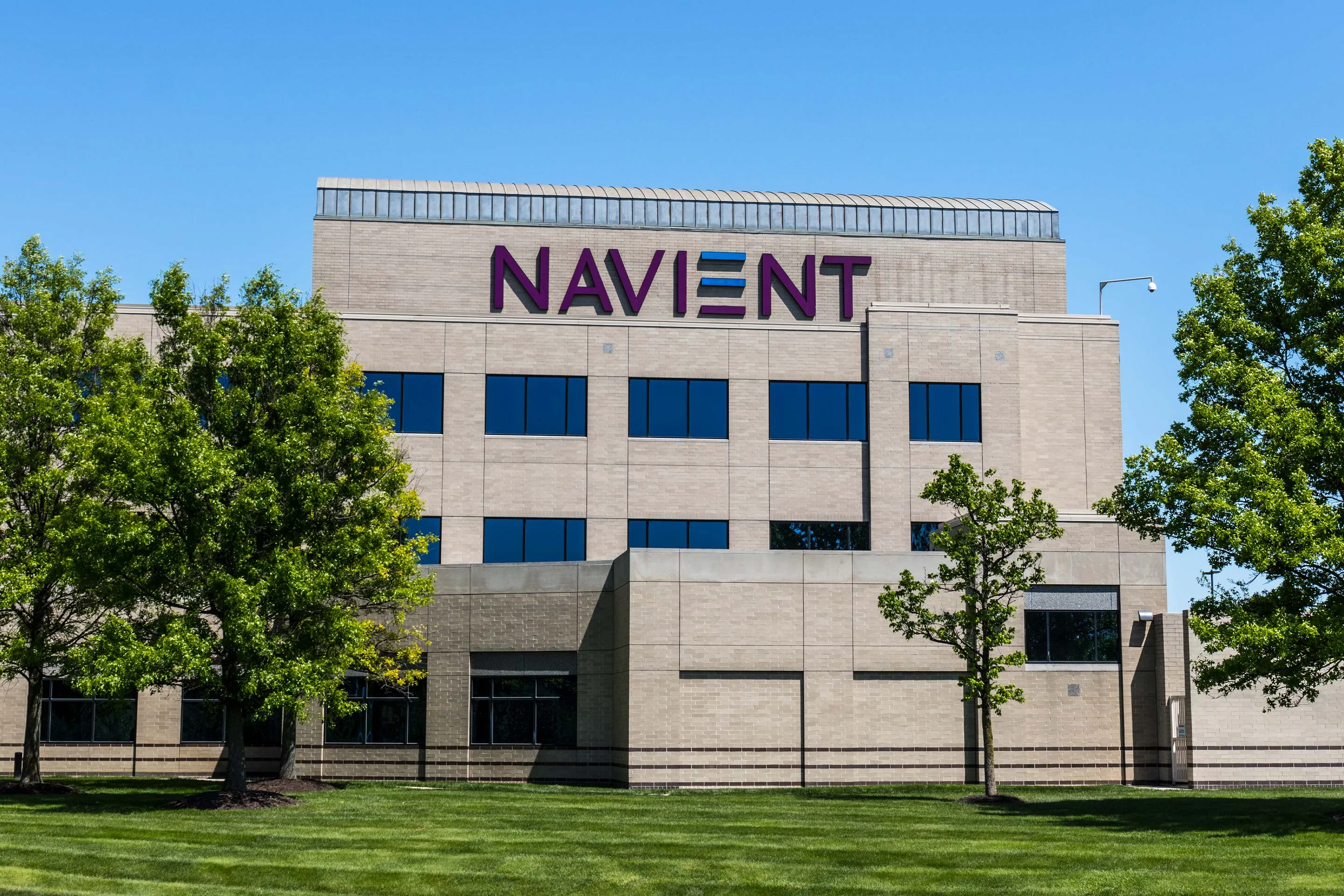
Navient emerged in 2014 from the split of Sallie Mae, becoming a major player in servicing and collecting on student loans, managing hundreds of billions in debt for millions of borrowers. For years, consumer protection agencies and state attorneys general investigated Navient's conduct, culminating in significant allegations.
The core of the accusations centered on Navient’s alleged steering process. Attorney General Healey and others accused Navient of guiding struggling borrowers into costly long-term forbearance agreements instead of properly counseling them on more beneficial income-driven repayment (IDR) plans. While forbearance temporarily pauses payments, interest often continues to accrue, adding to the principal balance and extending the repayment period. IDR plans, conversely, adjust monthly payments based on a borrower's income and family size, often leading to lower payments and a path to eventual loan forgiveness.
Navient's alleged failure to properly advise borrowers, favoring its own streamlined processes, was deemed a violation of consumer protection laws in many states. This practice, critics argued, left countless borrowers in deeper debt than necessary. Navient, while agreeing to the settlement terms, has consistently denied any wrongdoing, stating its decision to settle was to "avoid the additional burden, expense, time and distraction to prevail in court." The company maintains that it has always focused on helping borrowers select appropriate payment options. For a deeper dive into the specific practices, you can read our related article:
Navient Settlement: How Misleading Practices Cost Borrowers.
The Scope of the National Agreement
The $1.85 billion settlement is a significant victory for student loan accountability. It addresses claims from six lawsuits brought by state attorneys general against Navient. If approved by the courts in each participating state, it will mark a pivotal moment in the ongoing efforts to reform the student loan system. The agreement includes:
*
$1.7 billion in private loan debt cancellation for certain eligible borrowers.
*
$95 million in restitution payments for specific federal loan borrowers.
This comprehensive approach seeks to mitigate the financial harm inflicted on borrowers who were allegedly victims of Navient's practices.
Are You Eligible for Loan Forgiveness or a Restitution Check?
The settlement provides two primary forms of relief: loan forgiveness for specific private loans and cash restitution checks for certain federal loan borrowers. Many who ask, "Are Navient borrowers receiving up to $2000 in settlement checks?" will find that the actual relief can vary wildly, from a few hundred dollars to tens of thousands in debt cancellation.
$1.7 Billion in Private Loan Forgiveness
This is the most substantial part of the settlement, impacting over 66,000 borrowers nationwide. The eligibility for private loan forgiveness is specific:
*
Who Qualifies: Borrowers who took out private subprime student loans through Sallie Mae (Navient's predecessor) between 2002 and 2010. These loans must have subsequently defaulted.
*
Specific Criteria: Eligibility is generally tied to having attended certain for-profit schools with low graduation rates and high default rates. The settlement targets borrowers who were known to be struggling but were allegedly still issued loans without a reasonable belief they could repay them, a practice forbidden by consumer protection laws.
*
The Impact: For eligible borrowers, this means complete cancellation of their outstanding private student loan debt, which can amount to tens of thousands of dollars for individuals. For example, over 1,500 borrowers in Massachusetts alone will see $41 million in private loans forgiven. This type of relief goes far beyond a simple check, demonstrating how some Navient borrowers are receiving *much more* than "up to $2000" in total benefit. For more details on this aspect, refer to:
Navient Lawsuit: $1.7 Billion Student Loan Forgiveness Explained.
$95 Million in Restitution Payments for Federal Borrowers
This portion of the settlement directly addresses the question of receiving a check:
*
Who Qualifies: Approximately 350,000 federal loan borrowers who were placed in certain long-term forbearance programs by Navient. Generally, these borrowers had federal loans that were entered into forbearance for at least two consecutive years between October 2009 and March 2017, and were enrolled in an administrative forbearance plan or certain non-IDR forbearance plans.
*
The Amount: Each eligible federal loan borrower is expected to receive a one-time restitution payment of approximately $260. In Massachusetts, over 8,300 federal loan borrowers will share $2.2 million in these restitution payments.
*
The Purpose: These checks are intended to compensate borrowers for the financial harm incurred by being steered into forbearance when an IDR plan might have been more appropriate and cost-effective.
It's crucial to understand that eligibility criteria are strict, and not all Navient borrowers will qualify for either loan forgiveness or a cash payment.
How to Determine If You're a Beneficiary (And What to Expect)
One of the most common questions from borrowers is how to claim their part of the settlement. Fortunately, for most, the process is largely automatic.
No Action Required: The Automatic Process
For both loan forgiveness and restitution checks, eligible borrowers typically do not need to take any action.
*
Loan Forgiveness: If you qualify for private loan forgiveness, Navient will automatically discharge your remaining balance. You will receive a notice from Navient and the attorneys general, and your credit report should reflect the change.
*
Restitution Checks: If you are eligible for a $260 restitution check, it will be mailed directly to your last known address by the settlement administrator. You do not need to apply or submit a claim form.
Key Dates and Verification
The settlement agreement requires court approval in each participating state to take effect. Once approved, the timeline for sending checks and applying loan forgiveness will be communicated by the settlement administrator. Keep an eye on official announcements from your state's Attorney General's office or the official settlement website (once established).
Important Warning: Be extremely wary of scams. You will *never* be asked to pay a fee to receive your check or loan forgiveness. Official communications will come from trusted sources, not unsolicited emails or calls demanding personal information or payment. Always verify information through official government channels or reputable news sources before responding.
Understanding Your Loan History
To gauge your potential eligibility, you should have a clear understanding of your student loan history:
*
Who serviced your loans? Was it Navient or Sallie Mae during the relevant periods (2002-2010 for private loan forgiveness, or 2009-2017 for federal loan restitution)?
*
What type of loans did you have? Are they federal or private student loans?
*
What was your repayment history? Were you in forbearance for extended periods when an IDR plan might have been available?
While you don't need to apply, having this information can help you understand why you might or might not be receiving relief and enable you to verify any communications you receive.
Beyond the Settlement: Tips for Current Student Loan Borrowers
While the Navient settlement is a significant step, it also serves as a crucial reminder for all student loan borrowers to be vigilant and informed.
Know Your Repayment Options
One of the key takeaways from the Navient allegations is the importance of understanding all available repayment plans. If you're struggling to make payments, explore:
*
Income-Driven Repayment (IDR) Plans: These federal plans cap your monthly payment based on your income and family size. After a certain period (usually 20 or 25 years), any remaining balance may be forgiven.
*
Public Service Loan Forgiveness (PSLF): If you work for a qualifying non-profit or government employer, PSLF can forgive your remaining federal loan balance after 120 qualifying payments.
*
Deferment or Forbearance: While useful for short-term financial hardship, understand that interest often accrues, making them a less ideal long-term solution than IDR plans.
Stay Informed and Vigilant
*
Regularly check your loan servicer's communications: Don't ignore mail or emails from your loan servicer. They contain vital information about your loans.
*
Understand your loan terms: Know your interest rate, repayment schedule, and what happens if you miss a payment.
*
Document everything: Keep records of all communications, payments, and agreements with your loan servicer.
*
Seek help: If you're having trouble, contact your loan servicer directly, or reach out to non-profit credit counseling agencies, consumer protection offices, or student loan ombudsmen for advice.
Financial Planning for Student Debt
Incorporate your student loan payments into your overall financial plan. Budget effectively, and explore strategies like making extra payments (if financially feasible) to reduce interest and pay off loans faster. Always prioritize building an emergency fund to handle unexpected expenses without jeopardizing your loan payments.
Conclusion
The Navient settlement represents a substantial effort to hold a major loan servicer accountable for practices that allegedly harmed countless student borrowers. While it may not solve the entirety of the student debt crisis, it brings meaningful relief to tens of thousands who were allegedly wronged. For those wondering, "Are Navient borrowers receiving up to $2000 in settlement checks?" the answer is complex: some will receive checks around $260, while others will benefit from life-changing loan forgiveness far exceeding that amount. The most important action for past Navient customers is to stay informed, watch for official communications, and be proactive in managing their student loan debt going forward. This settlement underscores the critical importance of knowing your rights and understanding your options in the intricate world of student finance.